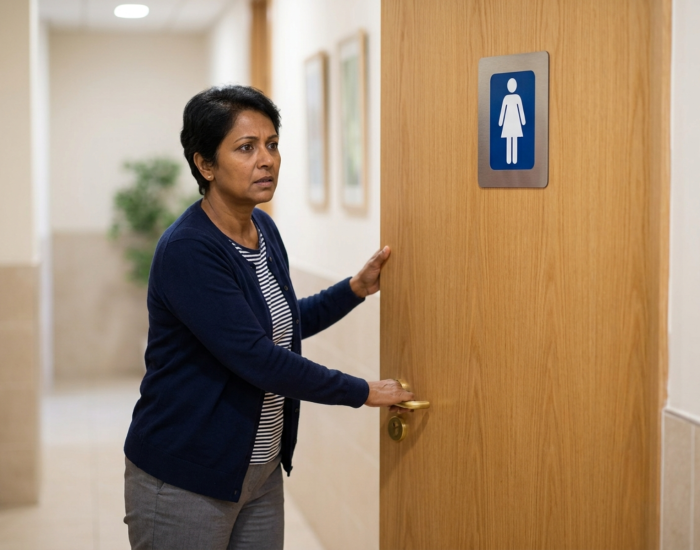



Summary
Frequent urination means needing to urinate more often than is typical for your age and fluid intake. While drinking more fluids can naturally increase urination, persistent urinary frequency may indicate conditions such as diabetes, urinary tract infections, or an overactive bladder. If symptoms continue or occur with pain, blood in the urine, fever, or excessive thirst, seek medical evaluation.
An average individual urinates six to eight times a day, depending upon various factors, including fluid intake, age, underlying medical issues, and overall health. However, the urge to urinate frequently increases when the normal process of storing and passing urine is disrupted. Frequent urination can happen to anyone, but it is more commonly seen in individuals over the age of 70, pregnant women, diabetics, and those with an enlarged prostate.
What is Frequent Urination?
Frequent urination means feeling the urge to urinate more often than you normally would. Frequent micturition is another name for frequent urination. The urge to urinate may occur more often than expected and, in some cases, become difficult to postpone. Persistent urinary frequency can affect sleep, work, travel, and other everyday activities if left untreated. While it can be caused by temporary factors, such as high fluid intake or taking certain medications, persistent urinary frequency may indicate an underlying health condition. It is crucial to identify the underlying cause to ensure timely treatment and better bladder health.
Common Symptoms Associated with Frequent Urination
Frequent Urge to Urinate
Frequent urge to urinate means feeling the need to urinate more often than usual, even when your bladder is not full. This urge may come on suddenly and can interfere with your daily life. Depending on the underlying cause, frequent urination may also occur with symptoms such as nocturia, urinary incontinence, pain or burning during urination, or urinary leakage.
Night-Time Urination (Nocturia)
Nocturia is the need to urinate several times during the night. This results in sleep interruptions that can cause tiredness, poor concentration, and reduced quality of life.
Difficulty Holding Urine
Difficulty holding urine is often caused by a sudden urge to urinate that is difficult to delay. In some cases, urine may leak before you reach the toilet. This condition, known as urinary incontinence, can affect daily activities and quality of life but is often manageable with appropriate medical care and lifestyle measures.
Pain or Burning Sensation during Urination
Pain, discomfort, or a burning sensation while urinating are common symptoms of urinary tract infections (UTIs). If these symptoms are accompanied by fever, blood in the urine, or severe pain, then you must seek medical attention.
Urinary Leakage
Urinary leakage is the unintentional leakage of urine because of reduced bladder control. Occasional dribbling to larger leaks can happen during coughing, sneezing, laughing, or physical activity.
What Causes Frequent Urination?
Frequent urination can be due to various factors, such as lifestyle habits or serious health conditions. These are some of the common causes of frequent urination:
Drinking Excess Fluids
If your fluid intake is high, especially close to bedtime, it can lead to excessive urination and disrupt your quality of life. It is important to maintain optimal hydration without excessively increasing your fluid intake throughout the day to manage this issue.
UTI
A urinary tract infection (UTI) may also lead to urinating frequently. It occurs when bacteria affect the bladder or kidneys. This can cause pain in the lower abdomen, a burning sensation, discomfort, and an urge to urinate frequently.
Overactive Bladder
Overactive bladder (OAB) is a condition in which the bladder muscles contract involuntarily, creating a sudden and difficult-to-control urge to urinate. Some people may also experience urinary leakage or night-time urination.
Diabetes and Elevated Blood Sugar
Urinating frequently is an early symptom of Type 1 and Type 2 diabetes. Elevated blood sugar levels cause the kidneys to remove excess glucose through urine. As glucose draws additional water with it, urine production increases, leading to more frequent urination.
Pregnancy
Pregnancy can cause frequent urination due to hormonal changes and the growing uterus, which puts pressure on the bladder and reduces its capacity to hold urine. This leads to a frequent urge to urinate in all trimesters.
Enlarged Prostate in Men
An enlarged prostate may partially obstruct urine flow, making the bladder work harder and increasing the urge to urinate.
Medications and Diuretics
Certain medications, especially diuretics, which are prescribed for high blood pressure or heart conditions, can cause increased production of urine. It is recommended to ask the doctor about expected changes linked to these medicines.
Stress and Anxiety
Stress and anxiety increase muscle tension in the bladder, which increases the urge to urinate even when the bladder is not full. Following relaxation techniques and making lifestyle modifications are helpful in managing the symptom.
| Cause | Common Symptoms | Medical Evaluation |
|---|---|---|
| Urinary tract infection (UTI) | Burning urination, urgency, lower abdominal discomfort | Yes |
| Diabetes | Excessive thirst, fatigue, increased urination | Yes |
| Overactive bladder | Sudden urge, urgency, leakage | Yes |
| Pregnancy | Frequent urination without infection | Usually, part of routine antenatal care |
| Enlarged prostate | Weak urine stream, incomplete emptying | Yes |
| High fluid or caffeine intake | Increased urination without other symptoms | Usually not, unless persistent |
Frequent Urination in Men
Frequent urination in men can occur for many of the same reasons as in women. However, certain male-specific conditions become more common with age and may affect bladder function.
- Enlarged Prostate: An enlarged prostate is a common cause of frequent urination in men as they age. The enlarged prostate puts pressure on the urethra. It affects urine flow and makes it difficult to empty the bladder completely. This results in a frequent urge to urinate.
- Prostatitis: Prostatitis is the inflammation of the prostate gland, causing frequent urination in men. It may be accompanied by other symptoms, such as pain, a burning sensation during urination, pelvic discomfort, and difficulty passing urine.
- Diabetes: High blood sugar levels increase urine production, making frequent urination one of the common early symptoms of both Type 1 and Type 2 diabetes.
Frequent Urination in Women
Women may experience frequent urination due to hormonal changes, pregnancy, urinary tract infections, or changes in pelvic floor strength. Understanding the underlying cause helps determine the most appropriate treatment.
- Pregnancy: Pregnancy can cause frequent urination due to hormonal changes and the growing uterus. This puts pressure on the bladder and reduces its ability to hold urine.
- Menopause: Menopause contributes to frequent urination in women. The hormonal changes affect the bladder and urinary tract. Also, low oestrogen levels can weaken bladder tissues, resulting in increased urinary frequency.
- UTIs: UTIs can cause frequent urination due to irritation and inflammation of the urinary system. Women may experience other symptoms such as pain or burning during urination, lower abdominal pain, and discomfort along with frequent urination.
- Pelvic Floor Weakness: Pregnancy, childbirth, ageing, obesity, or chronic coughing can weaken the pelvic floor muscles. This reduces bladder support, increasing the likelihood of urinary leakage and frequent urges to urinate.
Frequent Urination at Night
Frequent urination at night, also known as nocturia, is the need to wake up one or more times during the night to pass urine. It can happen due to drinking excessive fluids before bedtime or taking certain medications. It may also be related to certain conditions such as UTI, overactive bladder, diabetes, or an enlarged prostate. Moreover, changes in bladder capacity and kidney function as you age can cause frequent urination at night.
How is Frequent Urination Diagnosed?
Frequent urination is diagnosed based on your medical history, symptoms, and physical examination. Your doctor may recommend the following tests:
- Blood Tests: Checks kidney function, electrolyte levels, and blood sugar levels to identify possible causes of frequent urination.
- Urinalysis: Examines urine samples to detect infections and measure different compounds present in urine.
- Cystometry: Measures pressure inside the bladder to assess its function and ability to hold urine.
- Cystoscopy: The doctor uses a medical instrument called a cystoscope to examine the inside of the bladder and urethra.
- Neurological Tests: These help identify or rule out nerve disorder that affects bladder control.
- Ultrasonography: A diagnostic imaging test that uses sound waves to create images of the bladder and urethra.
- Voiding Diary: This overactive bladder assessment tool tracks fluid intake, urination frequency, and episodes of urine leakage to assess bladder function.
Treatment Options for Frequent Urination
Nowadays, there are several options available for frequent urination treatment:
- Lifestyle Modifications: Lifestyle changes can help reduce bladder irritation and improve bladder control. Certain foods and drinks, including caffeine, alcohol, chocolate, spicy foods, and artificial sweeteners, may irritate the bladder. Limiting these, where appropriate, may help reduce urinary frequency.
- Bladder Training: This involves gradually increasing the time between bathroom visits to improve bladder control and reduce the urge to urinate frequently.
- Pelvic Floor Exercises: Exercises such as Kegels help strengthen the pelvic floor muscles and improve bladder control. This helps reduce urinary leakage.
- Medications: Doctors may prescribe medications to relax the bladder muscles, reduce urinary urgency, or treat underlying conditions that cause frequent urination.
- Treating Underlying Conditions: Managing health conditions such as UTIs, diabetes, or an enlarged prostate can help reduce symptoms of frequent urination.
How to Reduce Frequent Urination Naturally?
Instead of worrying about how to stop frequent urination, you should follow practical steps to manage its symptoms naturally. It includes lifestyle modifications and simple habits.
It is vital to maintain a balanced fluid intake and avoid excessive fluids before bedtime. You should also limit bladder irritants such as caffeine, alcohol, and carbonated drinks that can cause excessive urination. Practising bladder training and pelvic floor exercises can help improve bladder control. Along with this, maintain a healthy weight, which reduces the risk of diabetes and other health conditions that lead to frequent urination.
When Should You See a Doctor?
Frequent urination is not always a cause for concern and may improve with simple lifestyle changes or treatment. However, it can sometimes indicate an underlying health condition that requires medical attention. You should consult a healthcare provider if frequent urination persists and impacts your daily life or is accompanied by other symptoms.
Seek medical advice if you experience these symptoms along with frequent urination along with:
- Blood in the urine
- Lower back or side pain
- Nausea or vomiting
- Pain or burning sensation while urinating
- Fever or chills
- Unusual discharge
- Excessive thirst
- Unexplained weight loss
It is best to consult a doctor in case you are facing any of the following situations.
| Situation | What You Should Do |
|---|---|
| Symptoms last several days | Schedule a medical consultation |
| Pain or burning while urinating | Book medical evaluation |
| Blood in the urine | Consult a doctor promptly |
| Fever or chills with urinary symptoms | Seek urgent medical care |
| Excessive thirst or unexplained weight loss | Get tested for diabetes or other metabolic conditions |
| Frequent night-time urination affecting sleep | Discuss with a healthcare professional |
Managing Frequent Urination and Urinary Leakage
You can make certain lifestyle changes to manage urinary leakage. These include bladder training, pelvic floor exercises, and maintaining healthy fluid habits. You should avoid foods that act as diuretics and irritate the bladder. Also, using adult diapers can provide comfort, confidence, and protection while managing daily activities. Adult diapers from Lifree are reliable and suitable for all-day wear. Available in various sizes, they provide extra absorption and prevent leakage and heaviness.
Frequent urination can have many possible causes, ranging from increased fluid intake to underlying medical conditions such as diabetes, urinary tract infections, or overactive bladder. Identifying the cause early is essential for appropriate treatment and long-term bladder health. If it begins to impact your daily routine, sleep, or quality of life, consult a healthcare professional for a proper evaluation.
Frequently Asked Questions (FAQs)
Frequent urination is the urge to pass urine more often than usual. It may vary depending upon your fluid intake, age, health conditions, and lifestyle.
Our Products
-
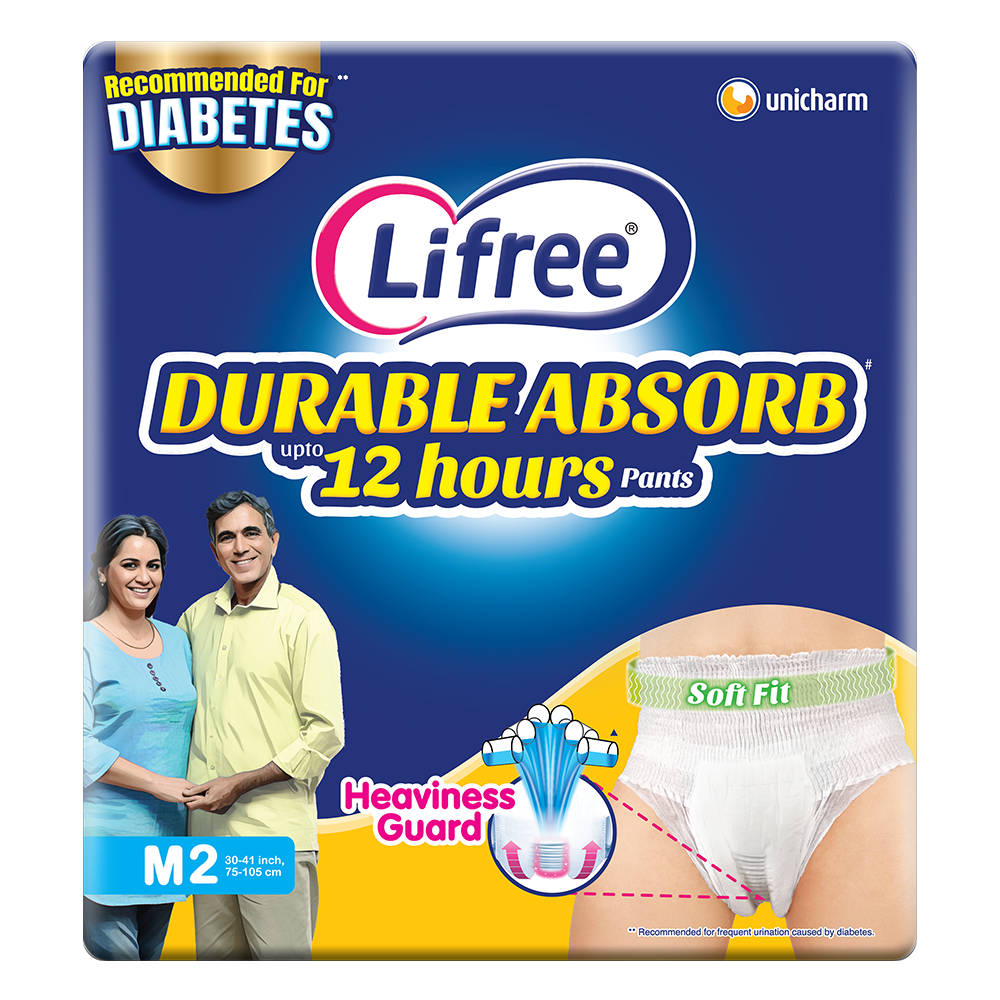 Lifree Durable Absorb upto 12 hrs Pants
12-hours protection 6-glass absorption technology
Lifree Durable Absorb upto 12 hrs Pants
12-hours protection 6-glass absorption technology
-
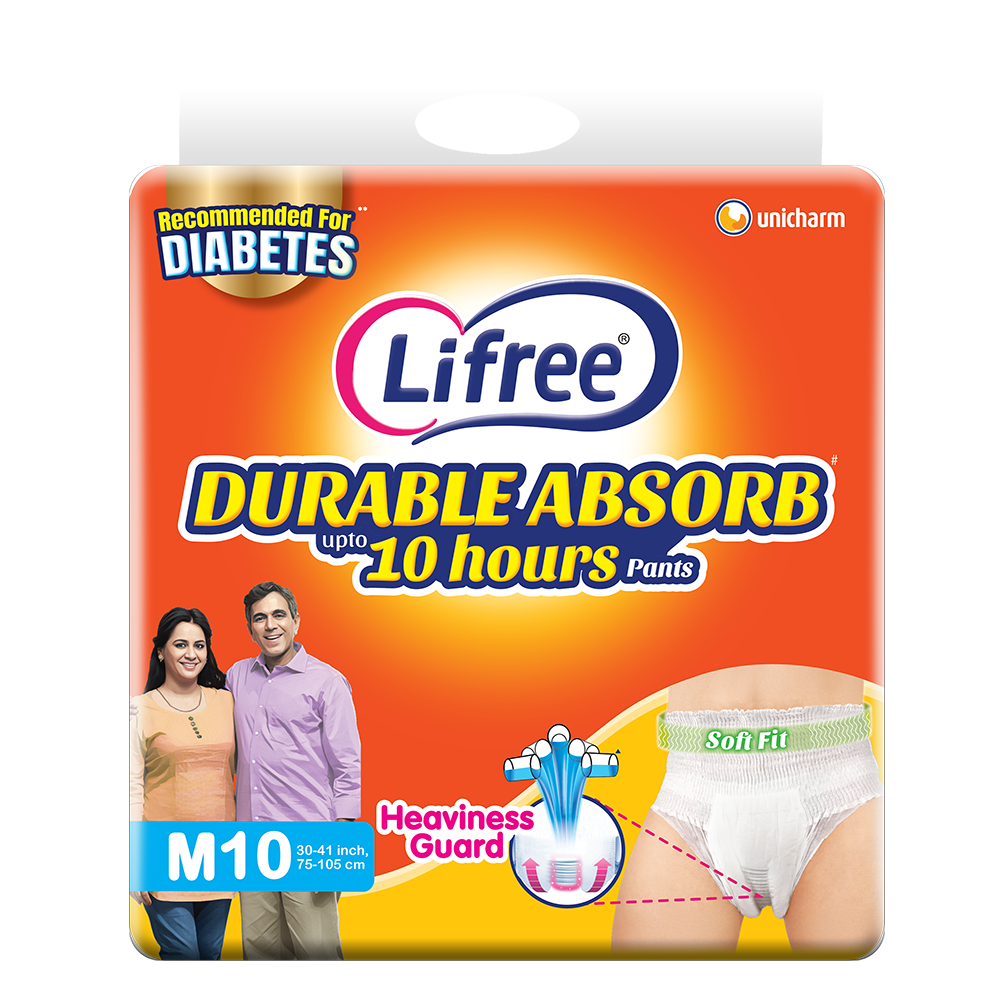 Lifree Durable Absorb upto 10 hrs Pants
10-hours protection 5-glass absorption technology
Lifree Durable Absorb upto 10 hrs Pants
10-hours protection 5-glass absorption technology
-
 All Night Absorb Pants
8-hours protection 4-glass absorption technology
All Night Absorb Pants
8-hours protection 4-glass absorption technology
-
 Durable Absorb Adult Diaper
8-hours protection 4-glass absorption technology
Durable Absorb Adult Diaper
8-hours protection 4-glass absorption technology