


Introduction
Hyperglycaemia is a clinical condition that requires careful monitoring and structured care, especially in individuals with diabetes. As uncontrolled hyperglycaemia can quickly lead to dehydration, electrolyte imbalance, acute complications, and long-term organ damage, structured nursing care plays a critical role in timely assessment, intervention, monitoring, and patient education.
For nurses, caring for patients with hyperglycaemia involves more than lowering elevated blood glucose levels. It involves understanding patient history, identifying underlying causes, preventing complications, and guiding patients toward long-term self-management.
A proper hyperglycaemia nursing care plan plays a critical role in stabilising patients and reducing the risks associated with uncontrolled blood sugar.
What is Hyperglycaemia?
Hyperglycaemia refers to abnormally high levels of glucose in the bloodstream. It develops when the body does not produce enough insulin or cannot use insulin effectively (insulin resistance), causing glucose to remain in the blood instead of entering cells for energy. Hyperglycaemia is commonly associated with diabetes and requires appropriate treatment to prevent short- and long-term complications.
When high blood sugar remains unmanaged over a long period, it can damage nerves, blood vessels, tissues, and vital organs. In severe cases, it may lead to a life-threatening complication called diabetic ketoacidosis (DKA).
To prevent these risks, hyperglycaemia is managed in clinical settings through regular blood glucose monitoring, insulin therapy, medication adjustments, fluid replacement, dietary management, and a hyperglycaemia care plan.
Signs and Symptoms of Hyperglycaemia
Elevated blood glucose levels above 180 mg/dL may not always cause immediate symptoms. The signs of hyperglycaemia can vary depending on a person’s health condition and blood sugar levels. Common signs and symptoms include:
- Increased thirst (polydipsia)
- Frequent urination
- Fatigue and weakness
- Blurred vision
- Headache
- Dry mouth and skin
- Increased hunger
- Vaginal infections
- Slow wound healing
- Skin infections
| Symptoms of Hyperglycaemia | How May It Present? |
|---|---|
| Increased Thirst | Feeling thirsty due to excess glucose in the blood |
| Frequent Urination | Urinating more often as the body removes extra glucose |
| Fatigue and Weakness | Feeling tired due to low energy |
| Blurred Vision | Difficulty seeing clearly due to changes caused by high blood sugar |
| Headache | Discomfort that may occur with fluctuating glucose levels |
| Dry Mouth and Skin | Reduced hydration caused by increased fluid loss |
| Increased Hunger | Feeling hungry even when the body cannot use glucose properly |
| Slow Wound Healing | Delayed recovery from cuts or injuries |
| Vaginal Infections | Infections caused by elevated blood sugar, promoting yeast growth |
| Skin Infections | Higher risk of infections due to elevated blood sugar levels |
Causes and Risk Factors for Hyperglycaemia
Hyperglycaemia can occur due to several factors that affect insulin production and function or the body’s ability to maintain normal blood glucose levels. Understanding these causes helps identify risk factors early and develop an effective hyperglycaemia patient care plan.
- Diabetes Mellitus
Diabetes mellitus is the most common cause of hyperglycaemia. In Type 1 diabetes, the pancreas produces little or no insulin, preventing glucose from entering cells for energy. In Type 2 diabetes, the body develops insulin resistance, making it difficult for insulin to regulate blood glucose levels effectively.
- Missed Medication or Insulin Doses
Failure to take prescribed diabetes medications or missing insulin doses can cause blood glucose levels to rise. It is vital to take regular medications as prescribed to maintain proper glucose levels.
- Stress and Illness
Stress plays a vital role in affecting metabolic function. Psychological or physical stress can raise blood glucose levels as the body releases hormones such as cortisol and adrenaline. This may cause elevated blood glucose levels.
- Poor Dietary Habits
A diet high in refined carbohydrates, sugary foods, and excessive calorie intake can increase blood glucose levels. Poor meal planning and irregular eating can disrupt blood glucose levels.
- Lack of Physical Activity
Regular physical activity helps the body use glucose more effectively. A sedentary lifestyle reduces insulin sensitivity and limits glucose consumption by muscles, increasing the risk of hyperglycaemia.
- Certain Medications
Some medications, such as corticosteroids and antipsychotics, may raise blood sugar levels and contribute to hyperglycaemia.
Nursing Assessment for Hyperglycaemia
A comprehensive nursing assessment is vital for identifying the severity of hyperglycaemia, understanding contributing factors, and developing an effective care plan. Nurses evaluate the patient’s health status through clinical observations, glucose monitoring, and diagnostic investigations to ensure timely hyperglycaemia nursing management.
- Health History Review: A patient’s health history is checked based on dietary habits, medication adherence, and physical activity levels.
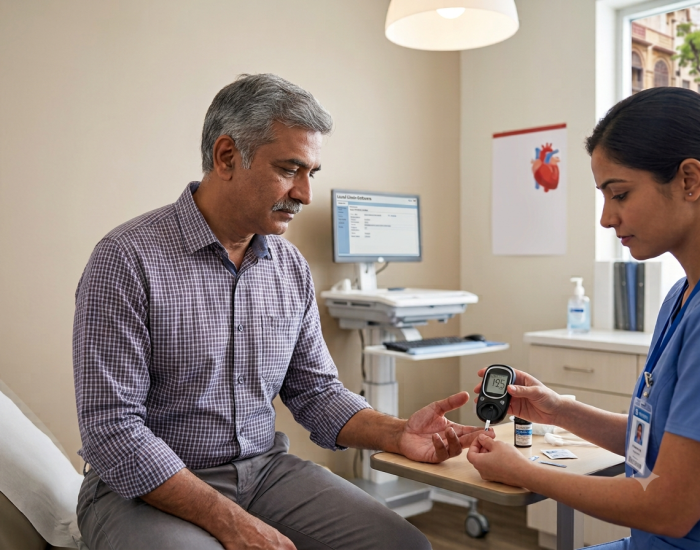
- Monitoring Blood Glucose Levels: Frequent monitoring, such as capillary blood glucose (CBG) monitoring using a fingertip blood sample and glucometer, helps detect hyperglycaemia early and guide treatment decisions.
- Assessing Fluid Balance: Elevated blood glucose levels can cause excessive urination, leading to fluid loss and dehydration. Nurses assess hydration status by monitoring fluid intake and output.
- Identifying Symptoms: Nurses closely observe patients for signs associated with hyperglycaemia, including increased thirst, frequent urination, fatigue, blurred vision, weakness, and changes in mental status.
- Laboratory Investigations: Diagnostic tests provide valuable information about blood glucose control and possible complications. Common laboratory investigations include:
- Blood Glucose Tests: Measure current blood sugar levels and help determine the severity of hyperglycaemia.
- HbA1c Test: Provides information about average blood glucose levels over the previous two to three months and helps assess long-term glucose control.
- Urinalysis: Helps detect glucose and ketones in urine, which may indicate poor glucose control or the risk of diabetic ketoacidosis.
Nursing Diagnosis for Hyperglycaemia
Based on assessment results, nurses identify the right nursing diagnosis for hyperglycaemia to address the patient’s immediate needs and reduce the risk of complications. Hyperglycaemia nursing diagnosis includes:
- Risk for Unstable Blood Glucose Levels: Related to impaired insulin regulation, medication issues, or lifestyle factors.
- Deficient Fluid Volume: Related to excessive urination and fluid loss caused by elevated blood glucose levels.
- Imbalanced Nutrition: Related to dietary patterns affecting glucose regulation.
- Fatigue: Related to reduced energy availability due to impaired glucose utilisation.
- Risk for Infection: Related to high blood glucose levels, which can weaken immune response and delay healing.
Hyperglycaemia Nursing Care Plan
A hyperglycaemia nursing care plan provides a structured approach to assess, manage, and monitor patients with elevated blood glucose levels. The plan is developed based on the patient’s health condition, severity of hyperglycaemia, underlying causes, and individual care requirements.
Nursing Interventions for Hyperglycaemia
Hyperglycaemia nursing interventions focus on blood sugar monitoring, managing symptoms, preventing complications, and supporting patients in developing effective self-care practises.
- Monitor Blood Glucose Regularly: Regular monitoring helps detect fluctuations early and ensures timely intervention.
- Administer Medications as Prescribed: Administer insulin or other glucose-lowering medications as prescribed.
- Encourage Adequate Hydration: Fluid intake helps prevent dehydration and supports kidney function in eliminating excess glucose.
- Promote Healthy Nutrition: Balanced meals with controlled carbohydrate intake help maintain stable glucose levels.
- Monitor for Complications: Close observation for signs of diabetic ketoacidosis or hyperosmolar hyperglycaemic states is essential.
- Educate Patients on Self-Management: Teaching patients how to monitor glucose, take medications, and manage diet empowers them to take control of their health.
Goals and Expected Outcomes
The hyperglycaemia nursing goals and interventions are focused on improving glucose control, preventing complications, and promoting patient independence in disease management. Nursing goals for hyperglycaemia include:
- Maintaining blood glucose levels within target range.
- Preventing acute and chronic complications.
- Improving patient energy levels and overall well-being.
- Enhancing patient understanding of disease management.
- Promoting adherence to treatment plans.
Expected outcomes in hyperglycaemia assessment and care plan include stable glucose levels, improved symptoms, and patient ability to demonstrate self-care practises.
Patient Education for Hyperglycaemia Management
Patient education helps individuals understand their condition and make informed decisions about daily glucose management. Nurses play an important role in providing clear guidance and encouraging healthy habits.
- Understanding Blood Sugar Targets: Be aware of your target glucose levels and the importance of maintaining them within range.
- Medication Adherence: Taking insulin therapy or other prescribed medications as directed helps maintain blood glucose levels. Consult a healthcare provider before making any changes.
- Dietary Recommendations: A healthy eating pattern supports effective glucose control. Hyperglycaemia patient education can help you focus on balanced meals, controlled portions, fibre intake, and limit foods high in added sugars and refined carbohydrates.
- Physical Activity: Regular physical activity improves insulin sensitivity and helps regulate blood glucose levels. Exercise is prescribed based on individual health needs and medical advice.
- Recognising Warning Signs: Patients should be aware of the symptoms of worsening hyperglycaemia, such as excessive thirst, frequent urination, extreme fatigue, confusion, and nausea. Early recognition allows timely medical care and reduces complications.
- Importance of Follow-Up Care: Regular follow-up appointments and blood tests help evaluate the effectiveness of treatment and monitor long-term glucose control.
Hyperglycaemia Complications and Prevention
Uncontrolled hyperglycaemia can gradually affect multiple body systems and increase the risk of serious health complications. Long-term complications of hyperglycaemia include:
- Nerve damage (Neuropathy)
- Cardiovascular disease
- Kidney damage (Diabetic nephropathy) or kidney failure
- Bone and joint problems
- Damage to the blood vessels of the retina (Diabetic retinopathy), which may lead to vision loss or blindness.
- Foot complications caused by nerve damage or poor blood circulation, resulting in serious infections, ulcers, and in severe cases, amputation.
- Teeth and gum infections
Preventing or managing Hyperglycaemia-related complications requires hyperglycaemia management nursing care and healthy lifestyle practises. The following hyperglycaemia treatment and management measures can help reduce the risk of complications:
- Monitor blood glucose regularly
- Follow prescribed medications
- Maintain a balanced diet
- Stay physically active
- Attend routine medical check-ups
Hyperglycaemia, Frequent Urination, and Bladder Health
Frequent urination is one of the common symptoms of hyperglycaemia. When blood glucose levels become elevated, the kidneys work harder to remove excess glucose from the body through urine. This increased urine production can result in frequent urination and excessive fluid loss.
Constant high blood sugar levels can cause dehydration and affect overall urinary health. Over time, uncontrolled hyperglycaemia can increase the risk of urinary tract infections and may impact bladder function. A proper care plan for elevated blood sugar is required to manage the condition effectively. Maintaining proper glucose control through medication, healthy lifestyle, and regular monitoring can help support bladder health and prevent related complications.
When to Escalate Care or Seek Emergency Medical Attention?
Blood glucose levels of 300 mg/dL or higher can be dangerous and may require immediate medical attention. A healthcare provider can provide guidance on the next steps and offer appropriate support. Consult a doctor if you notice these symptoms:
- Frequent urination
- Regularly high blood sugar readings
- High levels of sugar in urine
- Increased thirst
Also, seek immediate medical assistance from a healthcare provider or call emergency services if you notice symptoms:
- Confusion
- Nausea and vomiting
- Ketones in your urine
- Shortness of breath
- Fruit-scented breath
- Stomach pain
| Situation | Indicators / Symptoms | Recommended Action |
|---|---|---|
| High Blood Sugar Warning | Blood glucose ≥ 300 mg/dL | Close monitoring needed |
| Repeated High Readings | Two consecutive readings ≥ 300 mg/dL | Contact a doctor for guidance |
| Signs and Symptoms | Increased thirst, Frequent urination and consistently high blood sugar | Schedule a medical consultation |
| Emergency Symptoms | Confusion, nausea and vomiting, ketones in urine | Seek immediate medical care |
| Severe Emergency Signs | Shortness of breath, fruit-scented breath, stomach pain | Call emergency services immediately |
Hyperglycaemia is a manageable condition when addressed through a structured and comprehensive nursing care plan. Since hyperglycaemia can lead to frequent urination and increased risk of urinary complications, maintaining hygiene and comfort becomes an essential part of patient care.
For patients experiencing urinary incontinence or frequent urination, well-fitted Lifree adult diapers provide long-lasting absorption and reliable leakage protection. Their Durable Heaviness Guard helps prevent the diaper from becoming heavy or losing its shape after frequent urination. Features such as the Soft Fit waistband and breathable waistband further support comfort throughout the day, helping patients and caregivers manage incontinence with greater confidence, comfort, cleanliness, and dignity during recovery or long-term care.
Frequently Asked Questions (FAQs)
A hyperglycaemia nursing care plan is about assessment methods, nursing interventions, monitoring strategies, and patient education. It helps manage high blood glucose levels, prevent complications, and support better diabetes care outcomes.
Our Products
-
 Lifree Durable Absorb upto 12 hrs Pants
12-hours protection 6-glass absorption technology
Lifree Durable Absorb upto 12 hrs Pants
12-hours protection 6-glass absorption technology
-
 Lifree Durable Absorb upto 10 hrs Pants
10-hours protection 5-glass absorption technology
Lifree Durable Absorb upto 10 hrs Pants
10-hours protection 5-glass absorption technology
-
 All Night Absorb Pants
8-hours protection 4-glass absorption technology
All Night Absorb Pants
8-hours protection 4-glass absorption technology
-
 Durable Absorb Adult Diaper
8-hours protection 4-glass absorption technology
Durable Absorb Adult Diaper
8-hours protection 4-glass absorption technology